

Acting Attorney General Todd Blanche has formally rescinded the Department of Justice’s controversial Anti-Weaponization Fund, a move designed to remove one of the biggest obstacles standing in the way of his confirmation as the nation’s next attorney general.
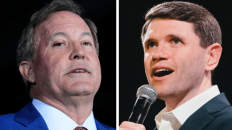
The decision follows weeks of mounting criticism from lawmakers in both parties and came after Republican Senators John Cornyn of Texas and Thom Tillis of North Carolina made clear they would not support Blanche’s nomination unless the fund was officially terminated in writing. Their opposition delayed action on Blanche’s confirmation despite Republicans holding the Senate majority.
The formal rescission is one of the most significant developments in Blanche’s confirmation process and could clear the path for the Senate Judiciary Committee to advance his nomination.
What Was the Anti-Weaponization Fund?
The Anti-Weaponization Fund was announced in May 2026 as part of a settlement resolving President Donald Trump’s lawsuit against the Internal Revenue Service over the disclosure of his tax returns.
Under the original agreement, approximately $1.8 billion would have been placed into a Justice Department-administered fund to compensate individuals who claimed they had been unfairly targeted by the federal government through politically motivated investigations or prosecutions.
Justice Department officials argued the program would provide an organized process for reviewing legitimate claims of government abuse. The department also said no money would go directly to President Trump or the Trump Organization as part of the settlement.
Why the Fund Became So Controversial
Almost immediately after its announcement, critics labeled the proposal a political “slush fund.”
Democrats argued the program could become a vehicle for compensating Trump allies, including individuals involved in investigations related to January 6 and other politically sensitive cases.
Opposition also emerged from within the Republican Party.
Senators Cornyn and Tillis questioned both the legal authority behind the fund and its potential political implications. They insisted that simply stating the fund was inactive was not enough. Instead, they demanded a formal written order permanently eliminating it before they would support Blanche’s nomination.
Federal lawsuits challenging the legality of the fund further complicated matters, with courts declining to dismiss some cases because the original order establishing the program technically remained in effect.
Blanche’s Formal Order
Late Sunday evening, Blanche issued a written Justice Department order stating:
“The Attorney General’s May 18, 2026 Order establishing the Anti-Weaponization Fund is rescinded and shall have no force or effect.”
The order goes further by emphasizing that:
- No members were ever appointed to oversee the fund.
- No federal money was transferred.
- No claims process was created.
- No claims were reviewed.
- No payments were ever made.
The document concludes that the rescission removes any remaining legal uncertainty by making clear that “there is no Fund.”
Additional Changes to the IRS Settlement
Blanche also addressed another controversial aspect of the settlement involving IRS audits.
Critics had argued the original agreement appeared to shield President Trump and members of his family from future tax examinations.
The updated order clarifies that the settlement applies only retroactively to matters covered by the original lawsuit and does not prevent future IRS audits of new tax filings.
That clarification was another key demand from Senate Republicans during Blanche’s confirmation process.
Senators Reverse Their Opposition
Following the release of Blanche’s order, both Cornyn and Tillis indicated they were satisfied with the written assurances they had requested.
Their support significantly improves Blanche’s prospects as the Senate Judiciary Committee prepares to vote on advancing his nomination.
Until now, their opposition had delayed committee action despite strong backing from President Trump.
Blanche has repeatedly testified that the fund was already “dead,” but senators insisted that only a formal written rescission would resolve the issue completely.
Trump Continues to Support the Concept
Although Blanche eliminated the existing fund, President Trump has continued to defend the underlying idea.
Over the weekend, Trump said he still believes individuals who were politically targeted by previous administrations deserve compensation.
He also suggested he could pursue legislation creating a similar program if Blanche’s nomination were blocked.
That means while the current Justice Department fund has officially been terminated, the broader political debate surrounding compensation for alleged government “weaponization” is likely to continue.
Political and Legal Impact
Blanche’s decision removes one of the most controversial issues surrounding his nomination and demonstrates the influence that a small number of senators can have during confirmation proceedings.
Legally, rescinding the order may also affect several pending lawsuits challenging the fund’s existence, although courts will ultimately determine whether those cases become moot.
Politically, the episode highlights ongoing divisions within the Republican Party over how aggressively the Trump administration should pursue claims that federal agencies were used for political purposes.
While many Republicans agree government agencies should never be used against political opponents, others questioned whether creating a multi-billion-dollar compensation program through executive action was the appropriate remedy.
What Happens Next?
The Senate Judiciary Committee is expected to vote on Blanche’s nomination shortly.
With Cornyn and Tillis now indicating their support following the formal rescission, Blanche appears to have removed one of the final procedural hurdles standing between him and confirmation as attorney general.
Whether the broader concept of compensating alleged victims of political prosecution resurfaces through future legislation remains uncertain, but the original Justice Department fund has now been officially withdrawn.
For now, the immediate focus shifts from the controversy surrounding the Anti-Weaponization Fund to Blanche’s confirmation vote and the future direction of the Department of Justice under his leadership.





Add comment