
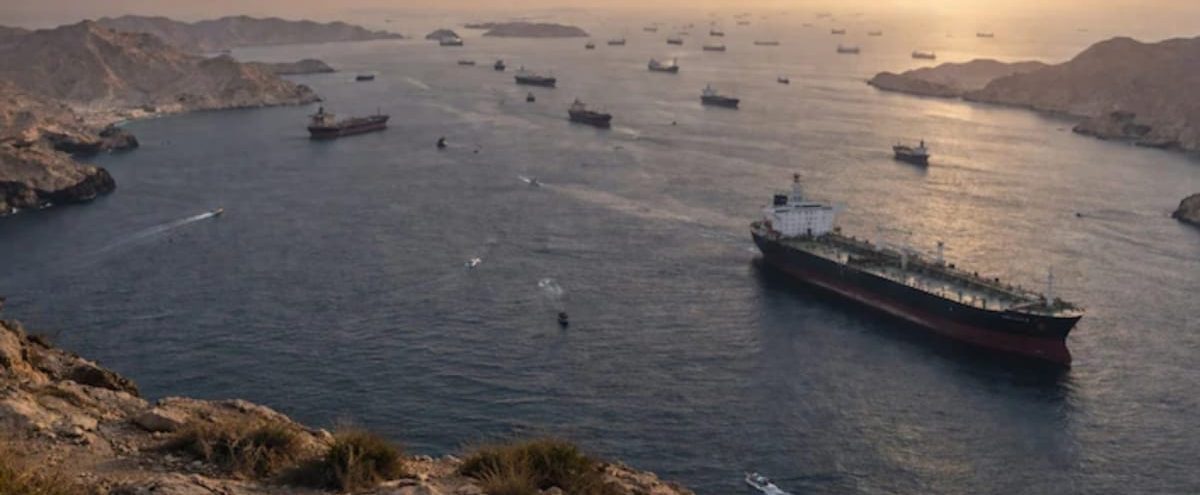
Sudden Reversal in a Critical Global Waterway
Just one day after signaling relief to global markets, Iran has reimposed strict restrictions on the Strait of Hormuz, reversing its brief reopening and reigniting tensions with the United States.
Iran’s military says control of the strait has returned to “strict management and control of the armed forces”, effectively tightening access again.
This rapid shift underscores how fragile the situation remains.
Why Iran Closed It Again
At the center of the dispute is the U.S. decision to continue its naval blockade of Iranian ports, even after Iran agreed to reopen the strait during a ceasefire.
Iran claims this violates the understanding behind the reopening:
- The strait was reopened as part of a temporary de-escalation effort
- The U.S. maintained restrictions on Iranian shipping
- Tehran now says it will limit or block transit until the blockade ends
In simple terms:
Iran opened the door—but says the U.S. kept pressure in place anyway.
What “Restrictions” Actually Mean
This isn’t necessarily a full shutdown—but it’s close.
Iran’s military has made it clear:
- Passage is no longer freely open
- Movement is under tight military oversight
- Ships may face delays, rerouting, or denial
There are also reports of increased enforcement and even incidents involving vessels in the region, highlighting rising risk levels.
Why the Strait of Hormuz Matters
The Strait of Hormuz is one of the most important chokepoints in the global economy.
- Roughly 20% of the world’s oil supply passes through it
- It connects the Persian Gulf to global shipping routes
- Any disruption immediately impacts energy prices and trade
When access is restricted—even partially—it can ripple across global markets within hours.
Markets and Global Impact
This latest move threatens to reverse the optimism seen just a day earlier when oil prices dropped sharply after the reopening.
Now, markets are facing renewed uncertainty:
- Oil prices could spike again
- Shipping companies may avoid the region
- Insurance and transport costs may rise
Hundreds of vessels have already been delayed or rerouted during this crisis, and further restrictions could worsen the backlog.
A Broader Conflict Still Unfolding
This development is part of the larger 2026 Strait of Hormuz crisis, tied to ongoing conflict between Iran, the United States, and regional allies.
Key factors include:
- U.S. military blockade targeting Iranian trade
- Iran’s use of the strait as leverage
- Ongoing ceasefire negotiations tied to Israel and Lebanon
Iran has warned repeatedly that it would close or restrict the strait again if the U.S. did not ease pressure.
That warning is now becoming reality.
Add comment