
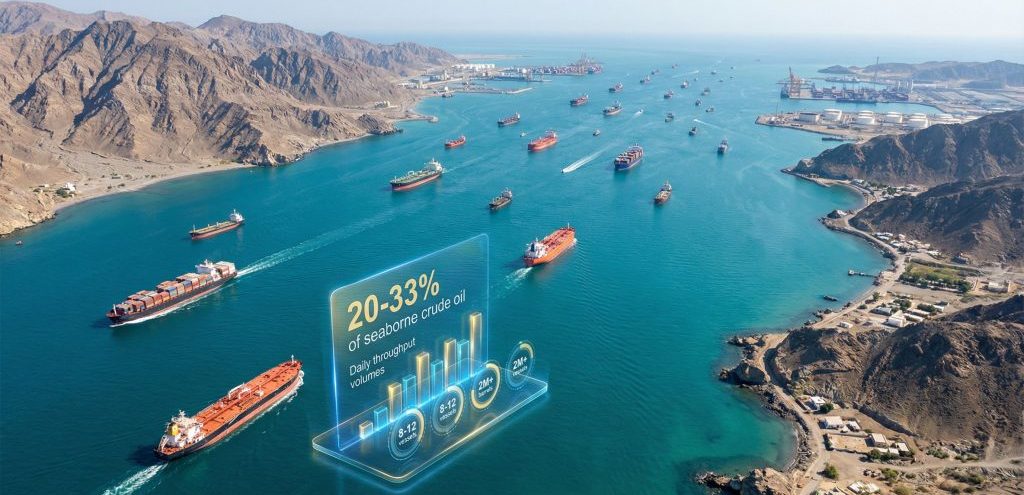
A Major Shift in a Global Flashpoint
One of the world’s most critical shipping routes is back open—at least for now. Iran’s foreign minister has declared that the Strait of Hormuz is “completely open” to commercial vessels during the current ceasefire, marking a significant turn in a crisis that has rattled global markets.
The announcement comes after weeks of escalating tensions that had effectively shut down the vital waterway, disrupting oil shipments and raising fears of a broader economic shock.
What the Announcement Means
According to Iranian officials, all commercial ships can now pass through the Strait of Hormuz—but only for the duration of the ceasefire. The agreement is tied to a temporary halt in fighting between Israel and Lebanon, expected to last about 10 days.
Ships are still required to follow designated routes coordinated by Iranian authorities, a reminder that while the strait is open, it is far from business as usual.
This reopening is being seen as a temporary easing of tensions, not a permanent resolution.
Why the Strait of Hormuz Matters
The Strait of Hormuz is one of the most important choke points in the global economy. Roughly 20% of the world’s oil supply passes through this narrow corridor connecting the Persian Gulf to the open ocean.
When the strait is disrupted:
- Oil shipments slow or stop
- Prices spike quickly
- Global supply chains feel the impact
Just days ago, the situation was dramatically different. Hundreds of ships were stalled, and the region was on edge as military tensions escalated.
Oil Prices Drop Fast
Markets reacted immediately to the news.
Oil prices plunged by roughly 10–11% in a single day, reflecting renewed confidence that supply disruptions may ease.
- Brent crude dropped below $90 per barrel
- U.S. oil prices followed a similar decline
Investors also responded positively, with U.S. stock markets rising as fears of a prolonged energy crisis faded.
The U.S. Role Still Looms Large
Despite the reopening, the situation remains complex. The United States continues to enforce a naval presence and blockade targeting Iranian-linked shipping, maintaining pressure during ongoing negotiations.
This means:
- The strait is open—but under heavy military oversight
- Tensions remain just below the surface
- Any breakdown in talks could reverse progress quickly
Diplomatic efforts are ongoing, with countries like Pakistan helping facilitate discussions between the U.S. and Iran.
From Shutdown to Reopening: A Rapid Turnaround
The reopening comes after a chaotic period in which the strait was nearly unusable.
- Iran had restricted or threatened shipping
- Mines and military activity created serious risks
- Traffic dropped sharply, with many vessels avoiding the area
This sudden reversal highlights how quickly geopolitical developments can shift—and how fragile the current situation remains.
Why This Story Is Trending
This development is dominating headlines and social media for several reasons:
• It directly impacts global energy prices
• It signals a possible de-escalation in a major conflict
• It affects everything from gas prices to stock markets
• It shows how close the world came to a major supply crisis
The combination of geopolitics and everyday economic impact is what’s driving widespread attention.
What Happens Next
The key question now is what happens when the ceasefire ends.
If negotiations continue and tensions ease further, the Strait of Hormuz could remain open. But if talks break down, the region could quickly return to instability.
For now, the reopening offers a temporary sense of relief—but not certainty.





Add comment