
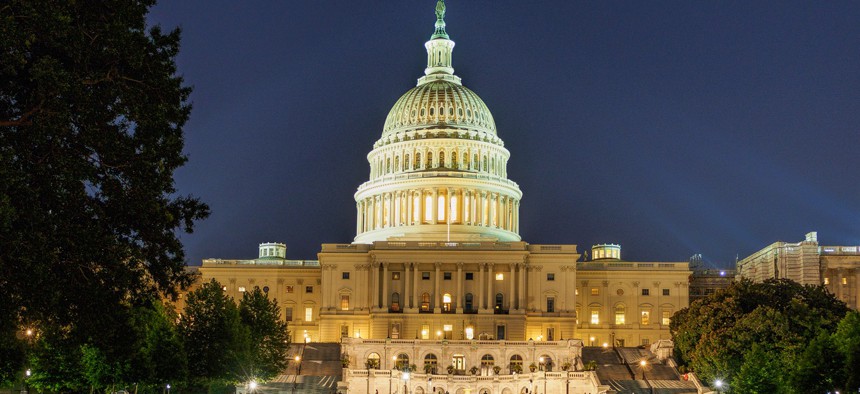
Congress Races Against the Clock
In a dramatic late-night vote, the U.S. House of Representatives approved a 10-day extension of the government’s foreign surveillance powers, buying lawmakers time to negotiate a longer-term deal.
The move prevents an immediate expiration of Section 702 of the Foreign Intelligence Surveillance Act (FISA)—a key intelligence tool used by U.S. agencies.
Without action, the program was set to expire within days, raising urgent national security concerns.
What Section 702 Actually Does
At the center of the debate is Section 702, a law that allows U.S. intelligence agencies to:
- Monitor communications of foreign individuals overseas
- Collect data through U.S.-based tech and telecom systems
- Access communications that may include Americans if they interact with foreign targets
Supporters argue the program is essential for tracking terrorism, cyber threats, and foreign espionage.
Critics, however, say it allows warrantless surveillance that can sweep up Americans’ private communications.
Why Lawmakers Couldn’t Agree
The 10-day extension wasn’t the original plan—it was a last-minute compromise after multiple proposals collapsed.
Earlier attempts included:
- A 5-year extension with limited reforms
- An 18-month extension backed by leadership
Both failed due to opposition from a mix of Republicans and Democrats concerned about privacy protections.
A key sticking point: whether the FBI should be required to obtain a warrant before searching Americans’ data collected under the program.
Deep Divisions Inside Congress
The vote exposed major fractures within Congress:
- Republican “privacy hawks” demanded stricter limits
- Democrats criticized the rushed process and lack of safeguards
- National security officials pushed for a clean extension
Speaker Mike Johnson acknowledged the divide, saying lawmakers were “very close” to a deal but needed more time.
With a slim majority, even a small group of dissenting lawmakers was enough to derail longer-term plans.
Pressure From the White House
Donald Trump and his administration strongly supported extending the surveillance powers, arguing they are critical to national security—especially amid rising global tensions.
Intelligence officials warned that allowing the program to lapse could:
• Disrupt ongoing counterterrorism operations
• Limit the ability to track foreign threats
• Slow down intelligence gathering during active conflicts
This urgency is what ultimately forced Congress to pass the short-term fix.
What Happens Next
The extension pushes the deadline to April 30, giving Congress just days to resolve the issue.
Next steps include:
- Senate approval (expected quickly)
- Continued negotiations on a longer-term deal
- Possible amendments addressing privacy concerns
However, lawmakers remain far apart on key issues, making another short-term extension possible.
Why This Story Is Trending
This issue is gaining traction because it sits at the intersection of two major concerns:
• National security → protecting against global threats
• Personal privacy → limiting government surveillance
The idea that the government can access communications without a warrant continues to spark strong reactions across the political spectrum.
The Bigger Picture
The fight over FISA Section 702 is part of a broader debate about the role of government in the digital age.
As technology evolves, so does the government’s ability to collect and analyze data. That raises difficult questions:
- How much surveillance is necessary for safety?
- Where should the line be drawn on privacy?
- Who should oversee and regulate these powers?
These questions are unlikely to be resolved anytime soon.





Add comment